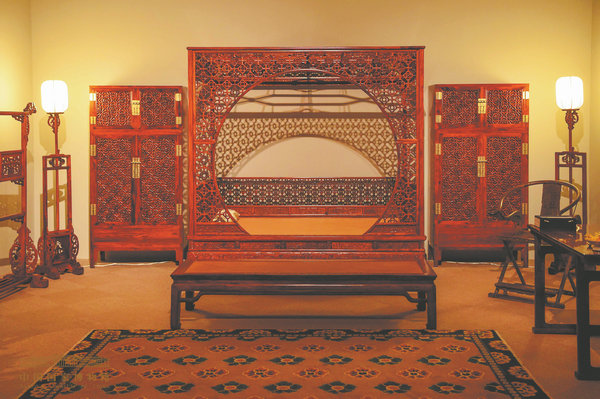
Qing Furniture
Introduction
Qing furniture, originating from the Qing Dynasty (1644-1911), represents a significant period in the history of Chinese furniture-making. This era is known for its artistic achievements and technological advancements in craftsmanship, particularly in the use of intricate mortise-and-tenon joints without nails or glue. These furniture pieces highlight the aesthetics, cultural significance, and the socio-political context of the time, embodying the elegance, opulence, and grandeur typical of the Qing period.
Historical Background
Qing furniture is deeply rooted in the traditional Chinese philosophy and lifestyle, reflecting the Ming Dynasty (1368-1644) influences while incorporating unique Qing elements. The furniture from this period is characterized by a synthesis of functionality and artistic expression, often made from precious hardwoods such as huanghuali and zitan. These materials contributed to the furniture's durability and timeless beauty, making them highly sought after by collectors and museums worldwide.
Design and Craftsmanship
The design of Qing furniture is noted for its elaborate decorations, with intricate carvings, lacquer finishes, and detailed inlays. The craftsmanship involved in creating these pieces required a profound understanding of wood characteristics, including grain, texture, and natural hues. The structural beauty of Qing furniture lies in its silhouette, which is both visually striking from a distance and detailed upon closer inspection, illustrating the artisans' profound skill and precision.
Mortise-and-Tenon Joints
A hallmark of Qing furniture is the use of mortise-and-tenon joints, a sophisticated woodworking technique integral to Chinese architecture and furniture. This method involves interlocking wooden components without the need for nails or adhesive, showcasing the ingenuity and precision of Chinese craftsmen. The mortise-and-tenon joints contribute to the furniture's strength, stability, and aesthetic appeal, allowing for smooth lines and intricate designs that enhance the overall visual harmony.
Cultural Significance
Qing furniture holds significant cultural value, as it embodies the lifestyle and philosophical beliefs of its time. It reflects the Confucian ideals of harmony, balance, and order, which were prevalent in Qing society. The furniture was not merely utilitarian but also played a role in social rituals and etiquette, serving as a status symbol for the wealthy and elite. It provided a physical manifestation of the cultural and intellectual pursuits of the Qing era's scholars and artisans.
Exhibition and Legacy
Exhibitions showcasing Qing furniture, such as those organized by the Prince Kung’s Palace Museum and the Summer Palace Museum, offer insights into the historical, cultural, and artistic significance of these pieces. These exhibitions often feature a variety of traditional furniture styles, highlighting the diversity of design across different regions in China, including Beijing, Suzhou, and Guangdong. Qing furniture remains a subject of interest for collectors, historians, and enthusiasts, who seek to preserve and revive this intangible cultural heritage for future generations.








